
Our changing world

Food
Over the last 50 years, the quality of our food has plummeted. The sad reality is that even if you think you are consuming a healthy diet, it is likely that you are still lacking in nutrients. Today's food is not only deficient in nutrients, but contains contaminants due to modern intensive farming methods, global food markets, and shopping, cooking, and eating habits.
We live in a supermarket-dominated consumer culture that demands a vast array of sorted, processed, and packaged foods that have been shipped or flown in from all corners of the globe, available year-round, consistent in color, taste, and texture, and designed to last for weeks.
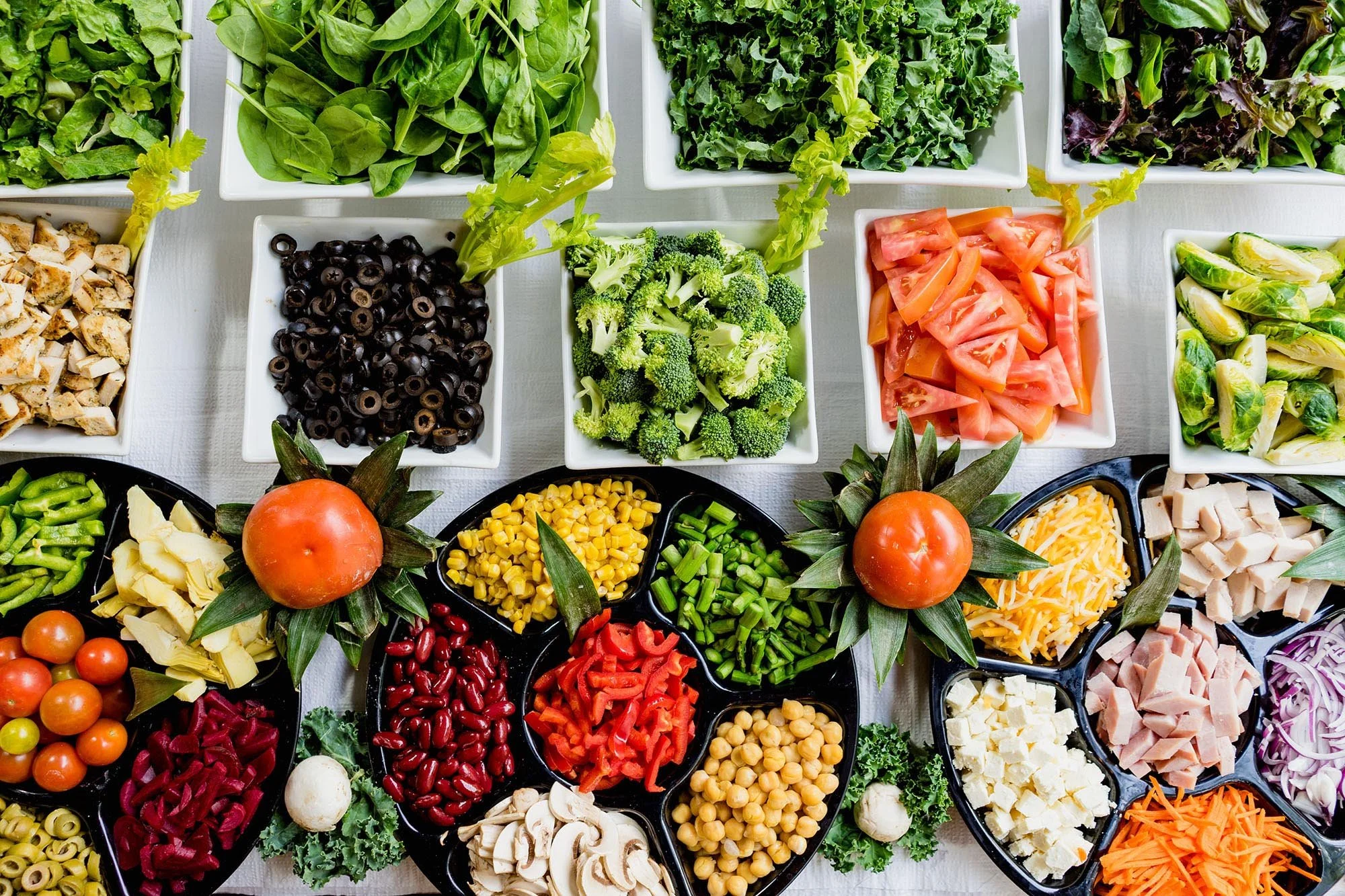

Consequently, our food often contains:
Pesticides such as glyphosate, herbicides, insecticides, and other agents.
Parasites, pathogenic bacteria, and mold.
Additives, artificial colorings, flavorings, preservatives.
Components that feed unhealthy gut bugs such as certain sugars (granulated and refined sugars), and phenols (compounds derived from certain foods and chemicals).
Growth hormones and antibiotics, as found in non-organic meat and fish.
Fluoride, chlorine, and heavy metals such as mercury, lead, and aluminum.

In addition to our food being lower in nutrients, our bodies require more nutrients today than ever before.
Stress
We live in an exceedingly fast-paced world that offers numerous benefits including enhanced efficiency in various aspects of life. However, alongside these advancements comes exposure to new contaminants and environmental pollutants, frequent encounters with electromagnetic fields (EMFs), reduced time spent outdoors, and increased screen time. We are evolving into a society of sedentary, overfed, undernourished, and hyperconnected individuals, experiencing excessive stress and unable to unwind. This trend is reflected in the declining health of both ourselves and our children, highlighting a world in crisis according to statistics.
Furthermore, social stress has surged with the prevalence of social media. The constant comparison, pressure for success, and fear of failure contribute to additional strain. It is imperative that we find a better balance between embracing these advancements and acknowledging their adverse effects on our health. Each of us possesses the capacity to regulate our reliance on technology. Ultimately, it is our lifestyle choices that dictate its impact on our lives.
Stress can increase the body’s demand for key nutrients because it activates physiological processes that use up vitamins and minerals involved in energy production, hormone regulation, and nervous system function. Chronic stress is associated with lower levels of nutrients such as magnesium, B vitamins, vitamin C, and zinc, while it can also affect digestion, absorption, and eating habits, making it harder to maintain adequate nutrient status. As a result, prolonged stress may contribute to nutrient depletion and increase the body’s nutritional needs.

Toxins
Over the last 70 years, the use of toxic chemicals have become more pervasive in daily life. The US currently has more than 85,000 chemicals in use, with approximately 2,000 new chemicals introduced each year. We absorb significant amounts of them through food and drinks, the use of products on our skin and in our homes, and the medications we take. Our medical system has failed to warn us of the assault these toxins impose on our bodies, jeopardizing both the health of both us and our children.
The umbilical cord blood serves as a baby’s lifeline, delivering nourishment and oxygen from mama while removing waste and toxins from the developing body. Studies conducted on umbilical cord blood have identified 287 chemicals, 180 of which are known to cause cancers in humans or animals, 217 are toxic to the brain or nervous system, and 208 cause birth defects or abnormal development in animals.


Chemical toxins are linked to a growing list of chronic health conditions and diseases, including:
Damage to genetic material in the nucleus of each cell, including DNA, which may cause long-term epigenetic changes resulting in inheritable defects passed on to the next generation.
Birth defects and developmental disorders, including autism, ADD, and ADHD, impaired mental development, poor memory, lower IQ, and associated learning disabilities.
Central and peripheral nerve damage.
Disrupted and dysfunctional immune system.
Cancer.
Impaired fertility.
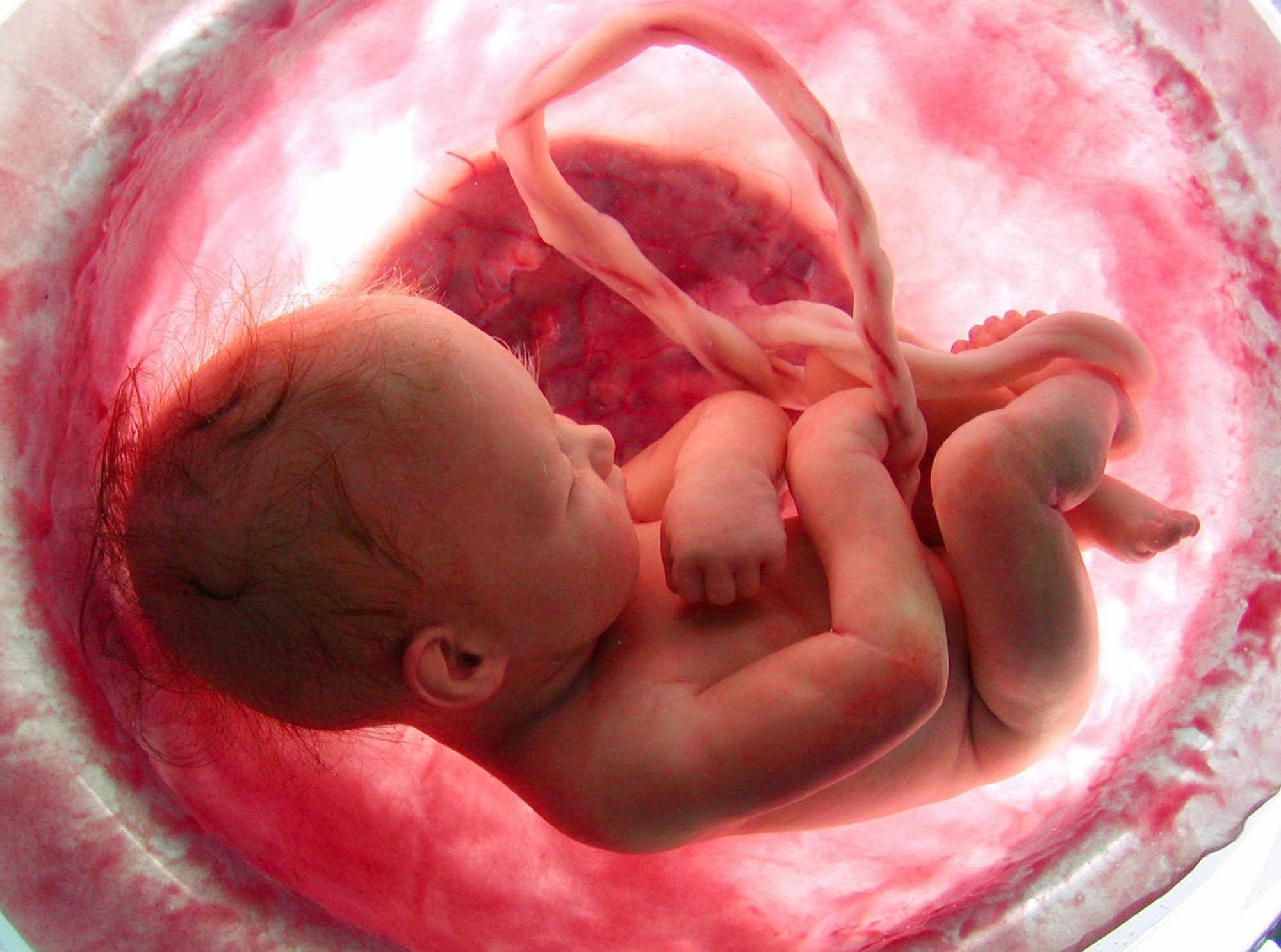
“We know the developing fetus is one of the most vulnerable populations, if not the most vulnerable, to environmental exposure. Their organ systems aren’t mature and their detox methods are not in place, so cord blood gives us a good picture of exposure during this most vulnerable time of life.”
Anila Jacobs, EWG senior scientist.
The Good News
It’s not too late to start making better habits! Good health for you, your future children, and your family is possible.